Hospitality
Designing Hospitality Spaces That Guests Never Forget
7 min read
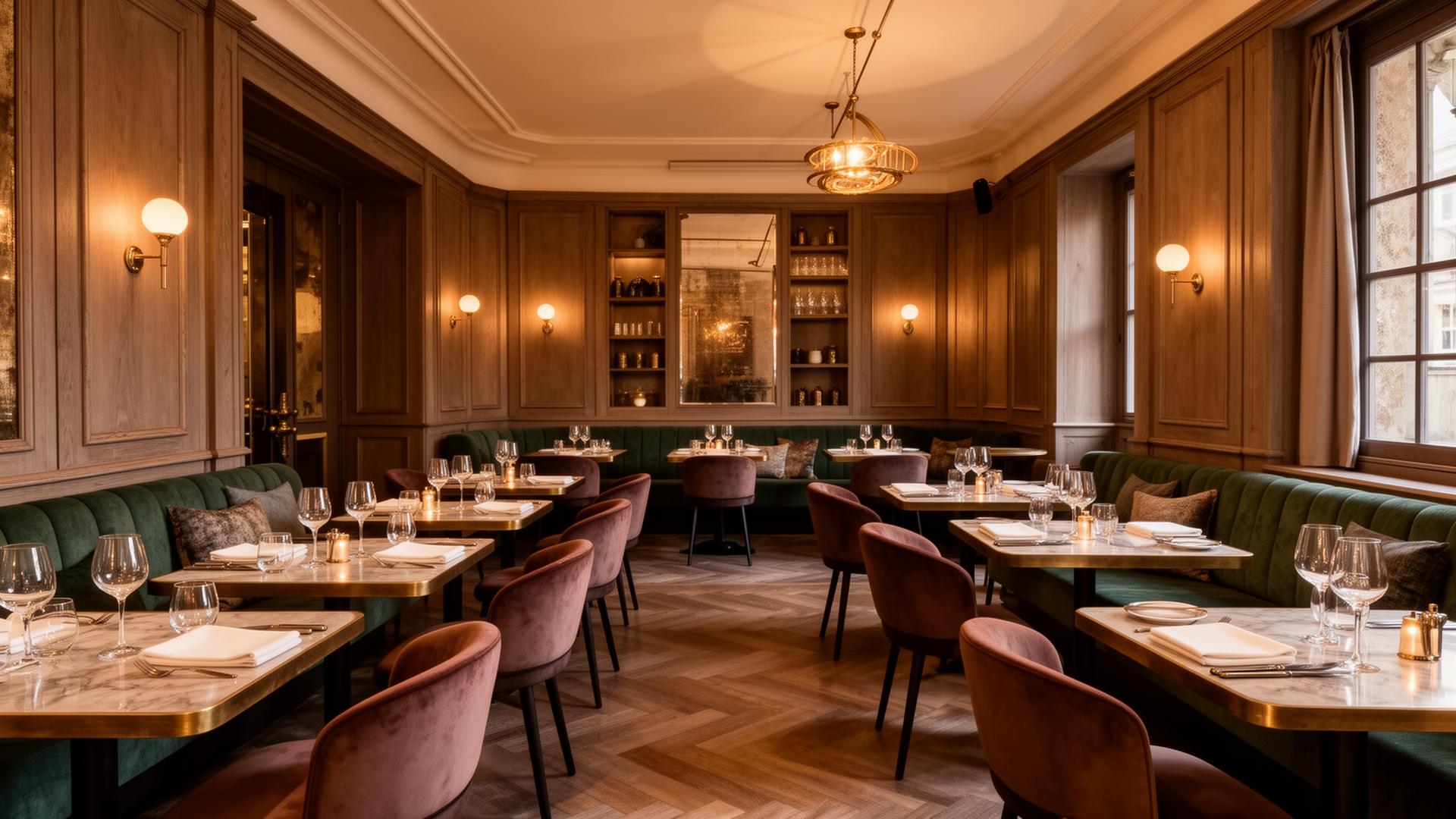
Great hospitality interiors are not about trends. They are about memory, atmosphere and the dozens of small operational decisions guests never see.
A guest decides how they feel about a venue within seconds of arriving — and remembers it long after they leave. That feeling is not an accident. It is the cumulative result of light, sound, materials, scale and pace, all designed deliberately.
Design for arrival, not just for photos
The most memorable hospitality spaces are choreographed. Threshold, drop-off, foyer, lounge, restaurant. Each transition shifts the mood. Each transition is designed.
Light is the silent ingredient
Hospitality lighting needs to do three things — flatter guests, set tone, and adapt across day-parts. A boutique hotel at breakfast and the same space at dinner should feel completely different on the same lighting plan.
Materials must survive the back-of-house
Hospitality materials are tested daily by staff, by guests and by industrial cleaning. We specify with operations in mind — not just the brochure.
Acoustic design separates good from great
The most common complaint in beautiful restaurants is noise. Soft surfaces, ceiling treatment and layout choices solve it — but only if they are designed in from the start, not bolted on.
Operational empathy
Where do staff stand? Where do drinks land? Where does linen flow? A hospitality interior that looks great but fights staff at every turn fails within a year.
Brand made physical
The best venues feel like a single coherent idea — from signage to side plate. That is brand strategy translated into space.
More from the Journal