Kitchens
Designing a Luxury Kitchen: 10 Things Most Homeowners Forget
8 min read
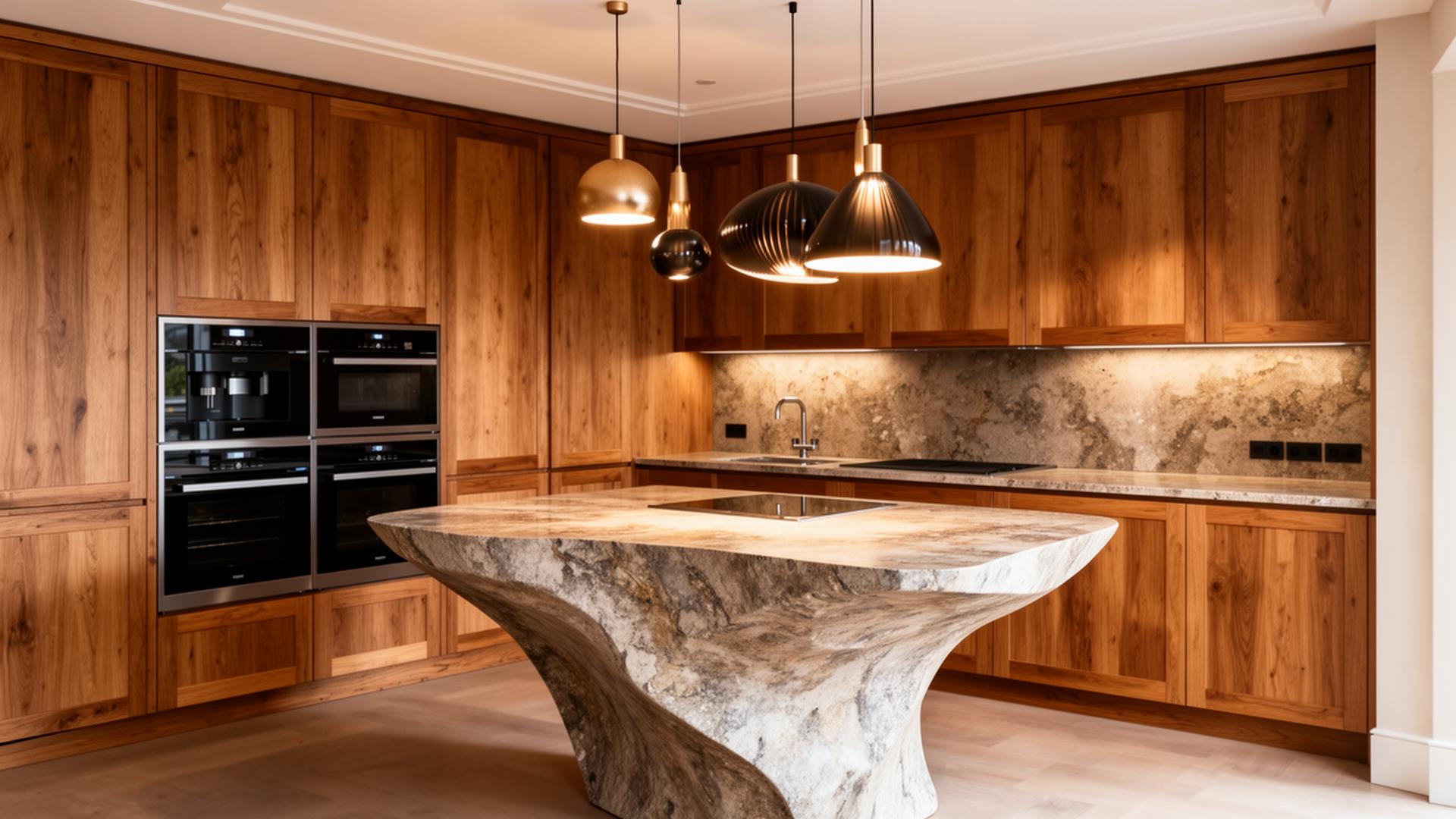
A luxury kitchen is not a Pinterest board. It's a workflow, a service strategy and ten very specific decisions most homeowners only realise too late.
We have designed and manufactured a lot of kitchens. The most common regret we hear from homeowners is not about the finish or the stone — it is about the things they didn't know to ask. Here are ten of them.
1. Plan the workflow before the layout
Where does the shopping land? Where do you unpack? Where does the kettle live during a dinner party? A beautiful kitchen with a bad workflow is exhausting.
2. Treat the scullery as a real room
A proper scullery is not a cupboard with a sink. It is a second kitchen — and on entertaining-heavy homes, often the more important of the two.
3. Decide who the kitchen is for
A kitchen designed for the homeowner cooks differently to one designed for staff. Counter heights, drawer logic and appliance choices all shift.
4. Specify appliances before joinery
Joinery wraps around appliances, not the other way around. Lock those in early.
5. Plan power and water at design stage
Steam ovens, boiling-water taps, integrated coffee, induction and warming drawers each have specific electrical and plumbing requirements. Retrofitting is painful.
6. Don't underestimate ventilation
A premium kitchen with a weak extraction system smells like last night's dinner. Specify a proper external extraction route, not just a recirculation hood.
7. Lighting is three layers, not one
Task lighting at the counter, ambient lighting for the room, and feature lighting for the island. One pendant is not a lighting plan.
8. Stone is a structural decision
Slab size, vein matching, edge profile and overhang all change the brief. Choose the slab before the cabinetry layout is final.
9. Hardware is not jewellery
Hinges and runners carry the kitchen for the next 20 years. Cheap hardware is the fastest way to make an expensive kitchen feel cheap.
10. Plan for the second decade, not the first year
Finishes age. Trends shift. Design the bones of the kitchen so the finishes can be refreshed without rebuilding the room.
More from the Journal