Joinery
Custom Joinery vs Off-the-Shelf Cabinetry: Which Is Better?
6 min read
Modular cabinetry has its place. Custom joinery has another. Here is how to decide which is right for your home, and where each one actually costs more.
Off-the-shelf cabinetry: what it does well
- Predictable pricing and lead times.
- Faster install on standard-sized rooms.
- Good for rental properties and entry-level homes.
Where off-the-shelf falls short
- Fixed module sizes leave dead space against walls and ceilings.
- Cheap carcasses and thin doors age badly.
- Internal fittings rarely match how you actually live.
- It always looks bought, never designed.
Custom joinery: what it does well
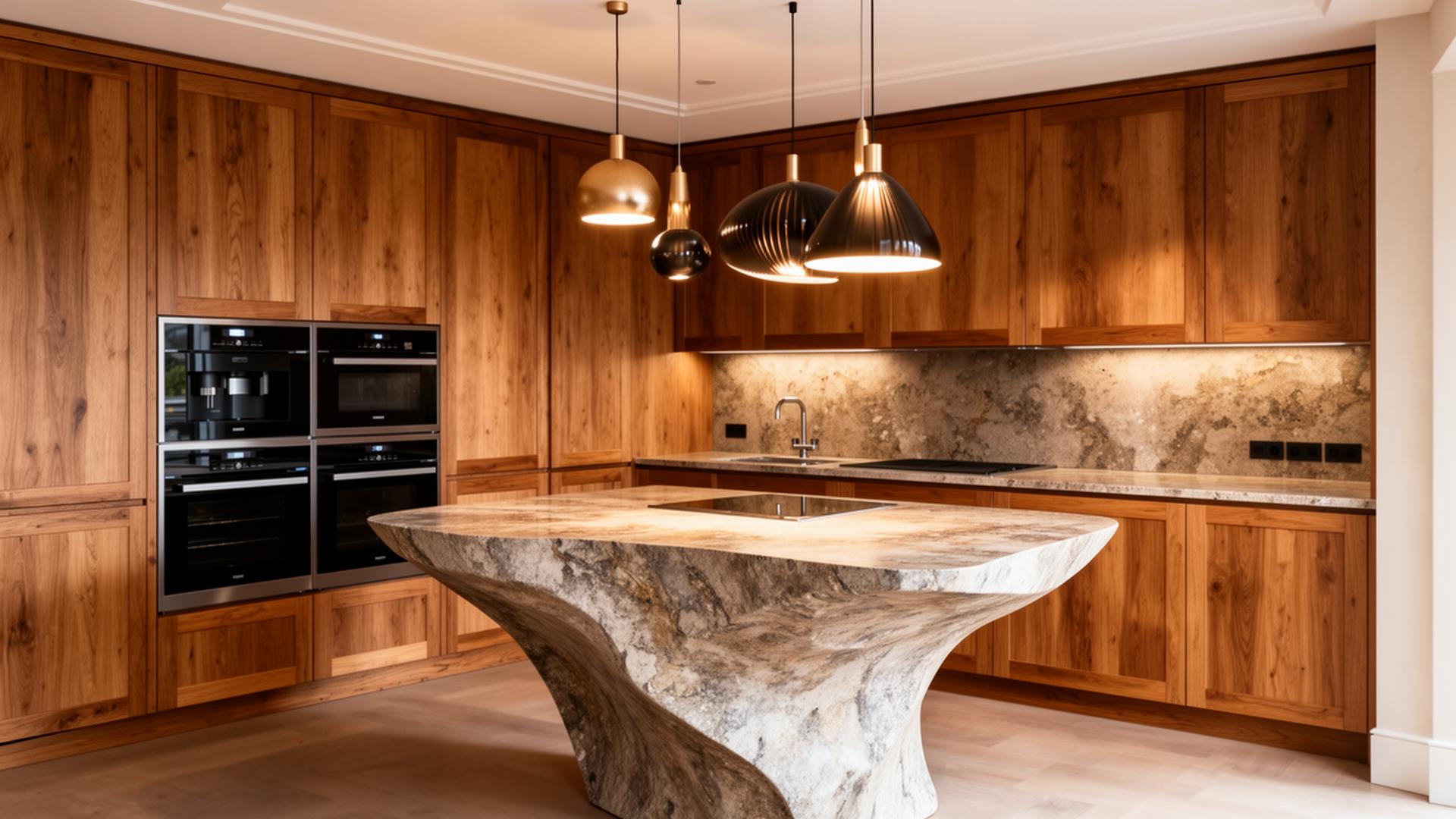
- Fills the room properly — floor to ceiling, wall to wall.
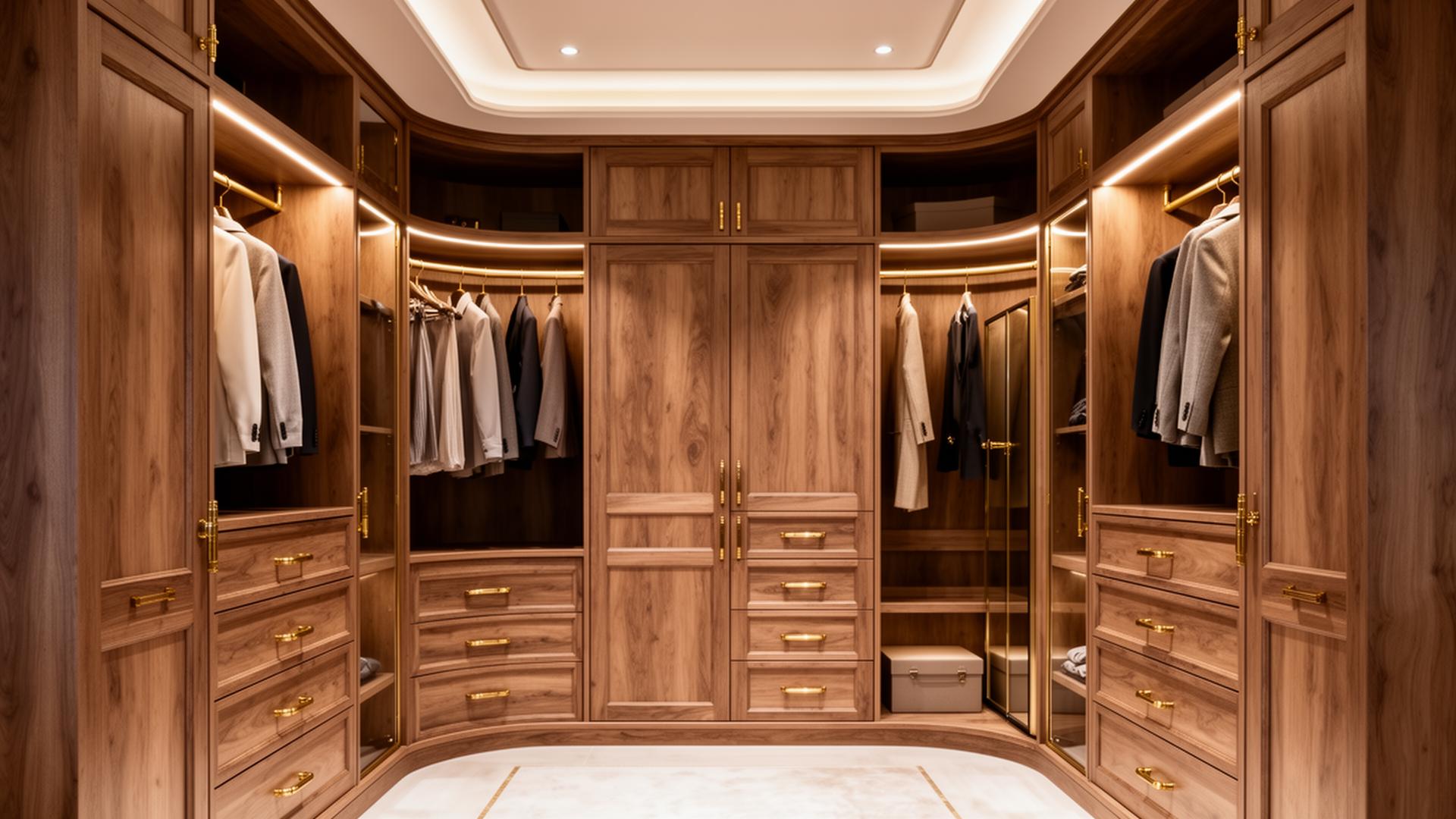
- Internal layouts built around your specific clothing, shoes, crockery, equipment.
- Finishes, hardware and detailing matched to the rest of the home.
- Doors stay aligned and drawers stay smooth for decades, not seasons.
The honest pricing answer
Custom joinery is typically 30–60% more expensive up front than mid-range off-the-shelf cabinetry. It is also two to three times the lifespan, and almost always adds more value to the property than it costs.
For a primary residence, bespoke joinery is almost always the right call. For a short-term let or a low-traffic guest suite, modular is fine.
More from the Journal